Pelvic inflammatory disease is an infectious disease that affects the ovaries, uterus, and fallopian tubes. Pelvic inflammatory disease, also known as PID, is caused by sexually transmitted infections (STIs). This disease may or may not show symptoms. The people suffering from PID will face problems in conceiving. The exact number of PID-affected individuals cannot be determined because of the lack of symptoms.
What is PID?
Pelvic inflammatory disease is an infectious disease caused by untreated sexually transmitted infections like Chlamydia and Gonorrhea. It primarily affects the upper reproductive organs, particularly in females of sexually active age (15-49), targeting the ovaries, fallopian tubes, and uterus, and causing inflammation in these organs. This disease can cause fertility issues and ectopic pregnancy, which can be treated.
In Ayurveda, PID (Pelvic Inflammatory Disease) is correlated with PariplutaYonivyapada, which is a disorder of the female reproductive organs and is caused by the imbalance in Vata and Pitta doshas. Its symptoms include pelvic pain, vaginal discharge, and pain during intercourse.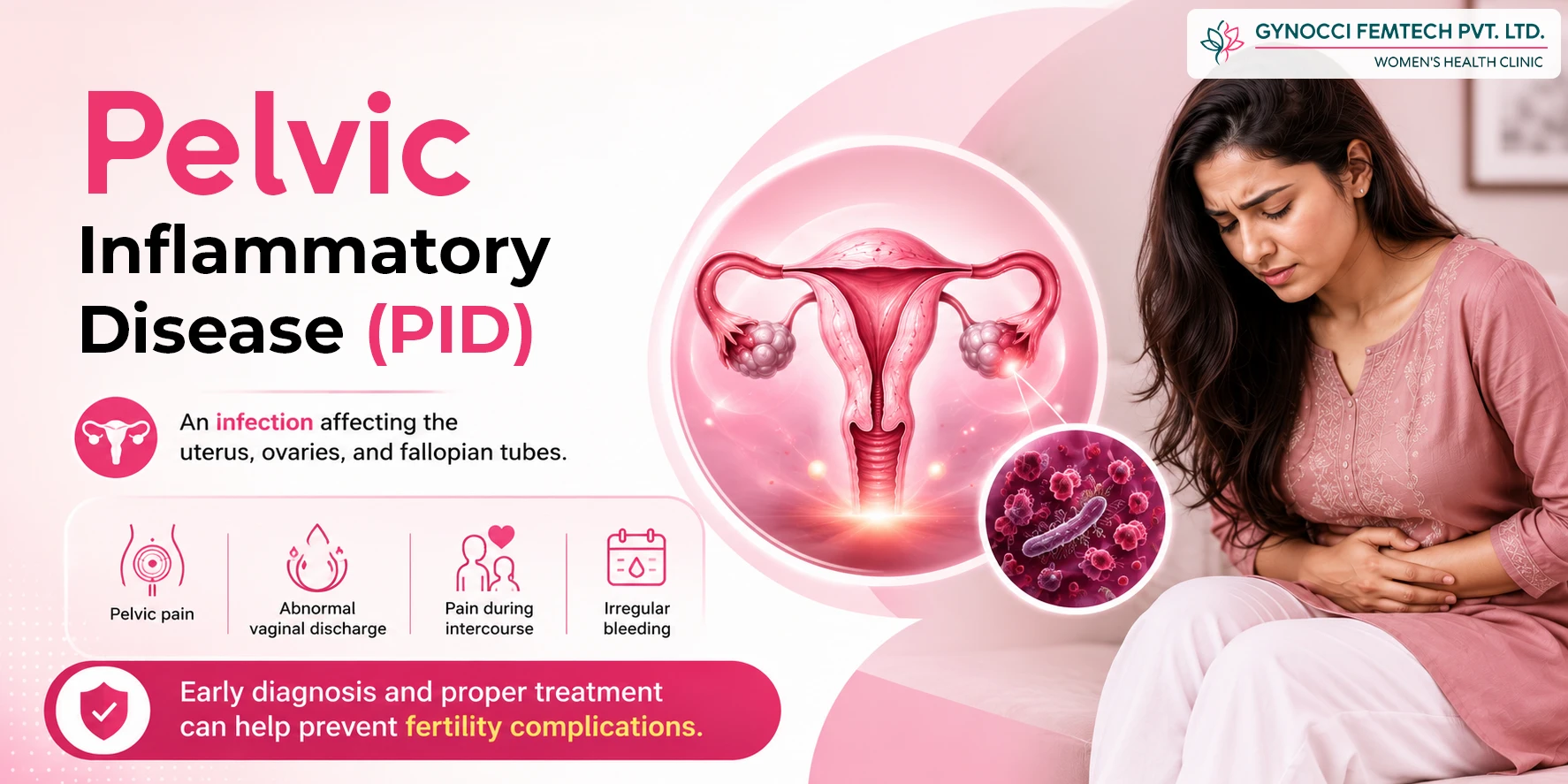
Symptoms of PID
Pelvic inflammatory disease may not cause any symptoms in some people, while others can experience mild to severe symptoms. These symptoms include-
- Pain in the pelvic area.
- Vaginal fluid that is irregular, abnormal, and has a bad smell.
- Vaginal bleeding between periods.
- Pain during intercourse.
- Fever with chills, fatigue, nausea, and vomiting
- Burning in the urinary tract during urination.
Causes of PID
There are a lot of factors that can cause PID, the most common among them are Sexually transmitted infections, which include Chlamydia and Gonorrhea, due to unprotected intercourse. Other causes include an imbalance in the vaginal bacteria that can cause PID, like bacterial vaginosis, some intra-uterine devices put in by the health care professional, and any medical procedure in which an instrument is inserted in the uterus can cause PID.
Treatment of PID
PID can be treated in both Ayurveda and modern medicine after it is diagnosed by pelvic examination, blood test, urine test, ultrasound, laparoscopy, or taking a swab of the vagina and cervix to check for STIs like Chlamydia or gonorrhea.
In Ayurveda
Ayurveda focuses on balancing doshas, cleansing, and changing lifestyle and diet for the treatment of Pariplutayonivyapada. Treatment of PID includes procedures of Sathanik chikitsa, like-
- Local medication
- Yonidhavan- It is the procedure of cleaning the reproductive tract with the help of kwaths like Triphala kwath and Panchvalkal kwath to reduce inflammation, stop abnormal discharge, and infections.
- Yonipichu- In this procedure, sterile tampons (cotton or gauze swabs), which are soaked in warm medicated oil, are inserted into the vagina. The oils included are Jatyadi taila and Panchvalkaladi taila, which help in vaginal lubrication, balance Vata and Pitta dosha, and help reduce infections.
Herbal medication
- Pushyanug churna- It is used to balance the three doshas, cleanse the uterus, and acts as an antibacterial remedy. Chandra Prabha Vati and Kanchanar Guggulu- These medicinal herbs help reduce inflammation, balance Kapha and Vata doshas, and strengthen the reproductive system.
- Punarnvadi guggulu- It is used to reduce inflammation, pain, and fluid retention in the pelvic area.
Diet and lifestyle changes
Eating green leafy vegetables, warm, freshly cooked food, herbs, ginger, garlic, turmeric, and fiber-rich foods is very helpful. Carotene-rich foods like spinach, pumpkin, and sweet potatoes help in reducing infections. Avoiding processed foods, fried food, spicy food, and dairy products is recommended in order to decrease inflammation.
Treatment in modern medicine
In modern medicine, PID is treated mainly with antibiotics for a period of 14 days. If the infection is severe, you are pregnant, or pus has accumulated in the fallopian tube, then you need to go to a hospital to receive antibiotics through IV. Surgery in case of Pelvic inflammatory disease is very rare and is only recommended when the symptoms still exist even after taking antibiotics.
FAQs
How to diagnose PID?
PID can be diagnosed by performing a pelvic exam, blood test, urine test, and lab swab test to check for sexually transmitted infections.
What are the symptoms of PID?
Symptoms of Pelvic inflammatory disease may be absent, mild, or severe for different people, including pain in the pelvic area, pain during intercourse, fever, nausea, and abnormal-smelling white vaginal discharge.
What is the main cause of pelvic inflammatory disease?
Pelvic inflammatory disease is caused by infection in the reproductive tract. The main cause of the infection is sexually transmitted infections.