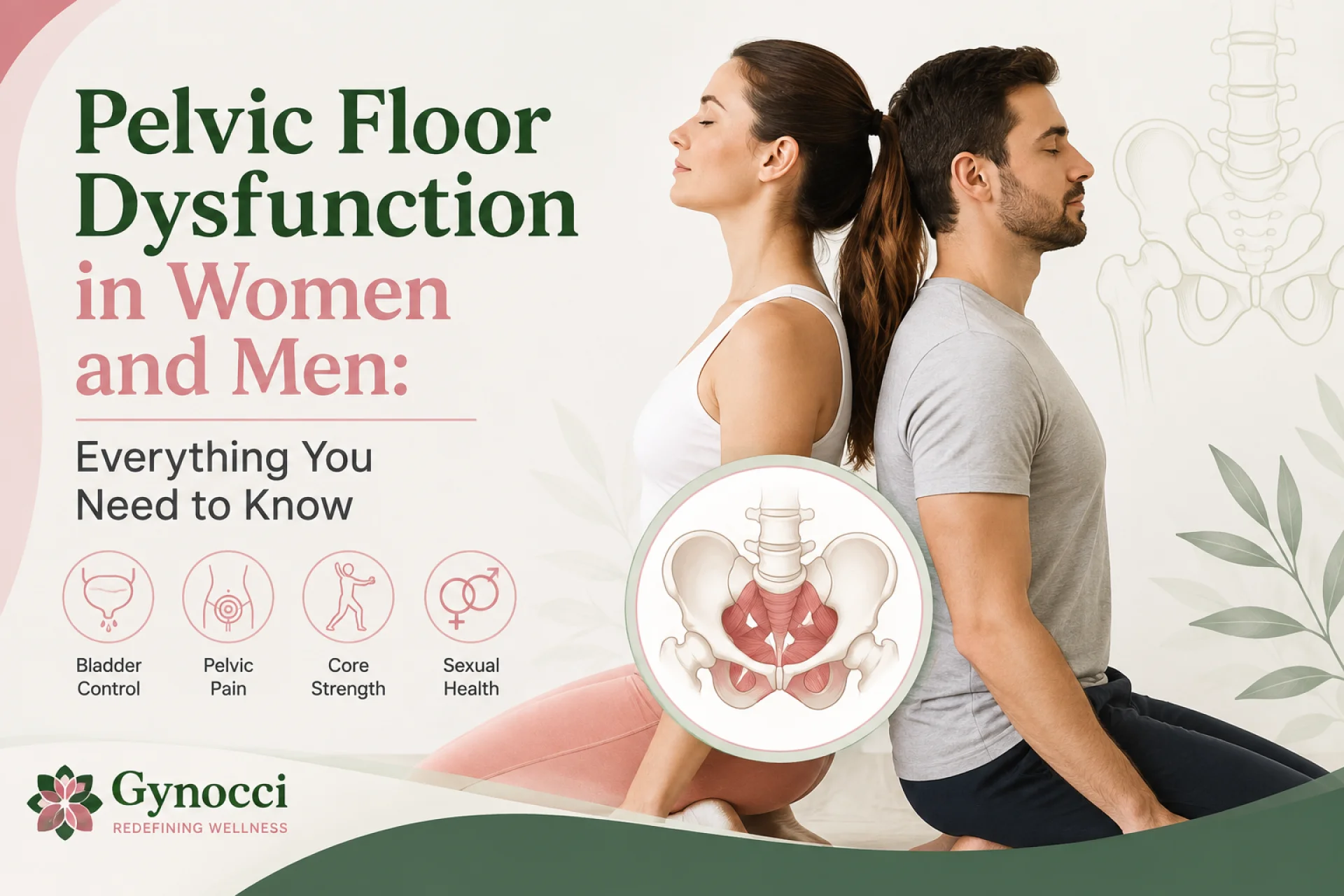
Pelvic floor dysfunction (PFD) is highly common but most of the time remains underdiagnosed. It affects about 50% of women who have given birth. While it is mostly associated with women, it also affects about 12 to 16% of men. Pelvic floor dysfunction is the inability of the pelvic muscles to coordinate or relax correctly. These muscles are known to support reproductive organ, bowel and urinary bladder.
What is pelvic floor dysfunction?
It is a common condition in which you cannot coordinate or relax your pelvic muscles to urinate or have a bowel movement. It can cause pee and stool leakage as well as constipation. The bladder, uterus, prostate and rectum are present in the pelvis are and the pelvis floor muscles act as a support system of these organs. In case of pelvis floor dysfunction, the body keeps tightening the pelvic floor muscles instead of relaxing them which leads to trouble during bowel movement, incomplete bowel movement and leakage of urine and stool.
According to Ayurveda pelvic floor dysfunction is not an isolated muscular issue but it is associated with the imbalanced Apana Vata (which the downward moving energy) and the weakness in the Mamsa dhatu (muscular tissue). This issue leads to conditions like organ prolapse (Yoni vyapat), incontinence, and localized pain. Ayurveda aims to restore this issue with the help of personalized herbal medicines, panchkarma therapies and dietary and lifestyle changes.
What are the causes of Pelvic Floor Dysfunction
Pelvic floor dysfunction can be caused due to several reasons that weaken the coordination of pelvic muscles. It is more prevalent in women than men. In women it can develop due to-
- Pregnancy and childbirth
- Multiple pregnancies
- Menopause
- Aging
- Hormonal imbalance
- Obesity
- Chronic constipation
- Lifting heavy weight
- Pelvic surgery
- Chronic coughing
In men it can be develop due to-
- Chronic prostatitis
- Prostate surgery
- Nerve injuries
- Muscle tightness
- Chronic stress
- Repeated cycling
- Heavy weightlifting
- Long term constipation
- Excessive straining during bowel movements
Some factors that may increase the risk of PFD include the persons age, obesity, smoking habits, lack of exercise, and medical conditions like diabetes and connective tissue disorder. Learn more how smoking habits affect fertility
What are the symptoms of Pelvic Floor Dysfunction
The following symptoms may indicate that you have a pelvic floor dysfunction: -
- Frequent urge to urinate
- Having to stop during urination and start again
- Excessive straining to pass stool
- Constipation
- Urine and stool leakage
- Pain during urination
- Unexplained lower back pain
If you are having these symptoms then you should consult a health care provider and get diagnosed. Early diagnosis help in proper care and treatment and minimize the chance of further complications
How Is Pelvic Floor Dysfunction Identified?
Identification of PFD takes starts with the doctor asking questions about your symptoms such as:-
- Do you strain while passing stool
- If you can fully empty your bladder
Then they may ask about your medical history, pregnancy, and previous pelvic surgeries. There are tests that help confirm whether the disease is PFD or other issues like:
Your health care provider may perform a physical exam to see how is your control you’re your pelvic muscles. Doctors also perform a rectal exam or pelvic exam (for females). Some other tests include: -
- Anorectal manometry- This test is used to check the condition of your anal sphincters. It measures the pressure in your muscles that help you defecate. Along with this electromyography is also performed by the doctors to help analyze the coordination between the pelvic muscles.
- Defecating proctogram- This test is done by your provider to see how well you can start a bowel movement and empty your bowel. This test also helps in checking for conditions like prolapse and how well the organs perform during a bowel movement.
- Urodynamics- If you face problems while urinating like not able to empty the bladder or having to stop and start during urination or weak urine flow. This test shows how well you empty your bladder.
How to manage Pelvic Floor Dysfunction
Treatment of pelvic floor dysfunction includes therapies, medication and relaxation techniques and it can be treated without any surgeries in both Ayurveda and modern medicine.
How to manage with the help of ayurveda
Ayurveda uses specialized local therapies to treat PFD. Ayurveda aims to strengthen the pelvic floor muscles, balance Apana vata and restore structural tissue tone through various therapies herbs and dietary modifications. Treatment involves: -
Sthanik chikitsa (local therapy)
The following treatments affect directly the pelvic tissues to strengthen muscle endurance and tone:
- Yoni Abhyanga: Localized vaginal massage with medicinal oils, such as Ksheerabala Taila or Dhanwantharam Taila.
- Yoni Pichu: Insertion of sterile tampon saturated with the medicinal oil into the vagina to achieve prolonged tissue nutrition and fortifying effect.
- Yoni Prakshalana: Douching the vagina with herbal decoctions, such as Triphala Kwath or Dashmoola Kwath to cleanse tissues and reduce local tissue inflammation.
Panchakarma therapy
Since PFD originates from the systemic imbalances in Vata Dosha, cleansing procedures are required to eliminate the reason of PFD:
- Matra Basti: Small daily enema with medicated oil or ghee that affects directly the primary residence of Vata in the colon and provides strength for pelvic floor.
- Niruha Basti: Herbal decoctions used as enema to treat Srotorodha and eliminate deep-seated toxins in the lower abdomen.
Ayurvedic herbs
Systemic herbs are prescribed for toning internal organs, balancing hormones, and fighting weakness in tissues:
- Shatavari: It regenerates reproductive tissues, restores hormone balance and provides strength to the pelvic tissues of women.
- Ashwagandha: Functions as a muscle relaxer and tonic which boosts general structural strength and stamina.
- Chandraprabha Vati: Aids in toning of urinary bladder and pelvic floor and deals with secondary conditions like stress incontinence.
- Triphala Guggulu: Provides anti-inflammatory benefits and helps in healing structural tissues.
Lifestyle changes
In order to maintain the results of treatment, external treatments should be supplemented with daily self-management exercises:
- Mula Bandha (root lock): Yogic contraction of perineum, which is a natural method to build pelvic floor endurance. Yoga Poses for targeted strengthening: Setu Bandhasana (Bridge pose) and Malasana (Garland Pose) in order to stretch and strengthen lower back, hips, and lower abdominal floor.
- Vata Pacifying Diet: Warm, cooked, and oily diet that avoids constipation and prevents straining while passing bowel movements.
Are you Living with Pelvic Floor Dysfunction?
Living with pelvic floor dysfunction can be psychologically difficult. Some people reduce the amount of traveling since they are afraid that they will not find a toilet. Other individuals are reluctant to exercise, engage in intimate contact or visit social events because of pain or the risk of incontinence. All of these aspects may have an impact on self-confidence and overall quality of life.
It should be noted that pelvic floor dysfunction is a disease and it is nothing to be ashamed of. With the correct diagnosis and a special treatment regime, many people notice significant changes in their health and become confident again in everyday activities.
Medical therapy, physiotherapy, healthy lifestyle and holistic medicine like Ayurveda may be used to achieve good results.
Conclusion
Pelvic floor dysfunction is a condition that is commonly misunderstood by people, and it affects both men and women. This condition can affect bladder control, bowel movements, sexual activity, and one's general well-being, but there is hope in treatment. Knowing the signs of this condition and undergoing professional evaluation will definitely make a difference in one's life.
From the Ayurvedic point of view, bringing Apana Vata back into balance, having better digestion, dealing with stress, and boosting the body's own mechanisms of healing are some important elements in the treatment of pelvic floor dysfunction. If combined with modern medicine techniques such as pelvic floor physiotherapy, Ayurveda can be a very good tool to help deal with the problem.
If you have been experiencing pelvic pain, urinary issues, and other problems in your daily life, you should consult with a Gynecologist and get treated.