Azoospermia is a medical condition which affects about 1% of all men and it is a condition in which the ejaculate contains no sperm at all. It is one of the primary causes of male infertility and it is diagnosed through daily semen analysis. It is caused due to blockage in the reproductive tract, hormonal problems, and functioning and structural issues of the testis. This condition is highly treatable and in many causes curable.
What is Azoospermia?
Azoospermia is a condition in which the male’s ejaculate contains no sperm at all. Sperm is produced in the testicles and it is mixed into fluids to form semen. Semen is released by the penis and if due to some reason the sperm do not mix with it. Semen is then ejaculated without the sperm in it.
In Ayurveda, azoospermia is correlated with Shukra kshaya and Beejopaghata. Shukra dhatu is one of the most refined tissues in the body and any disruption in metabolism, diet, genetic factors and stress levels can lead to its depletion.
Types of azoospermia
There are three different types of Azoospermia-
Obstructive azoospermia- In this condition the sperm are produced in the testes but are blocked somewhere along the reproductive tract and cannot reach the semen. This type is also known as Post-testicular azoospermia and is the most common affecting 40% of males with azoospermia.
Non-obstructive azoospermia- In this type of azoospermia there is very less or no sperm production in the testicles due to damage or disorder in the structure and function of the testicles. This is also known as testicular azoospermia.
Pre-testicular azoospermia-In this type of azoospermia the testicles and the reproductive tract look normal but they may not be stimulated enough to produce sperms. This can happen due to hormone therapy or chemotherapy.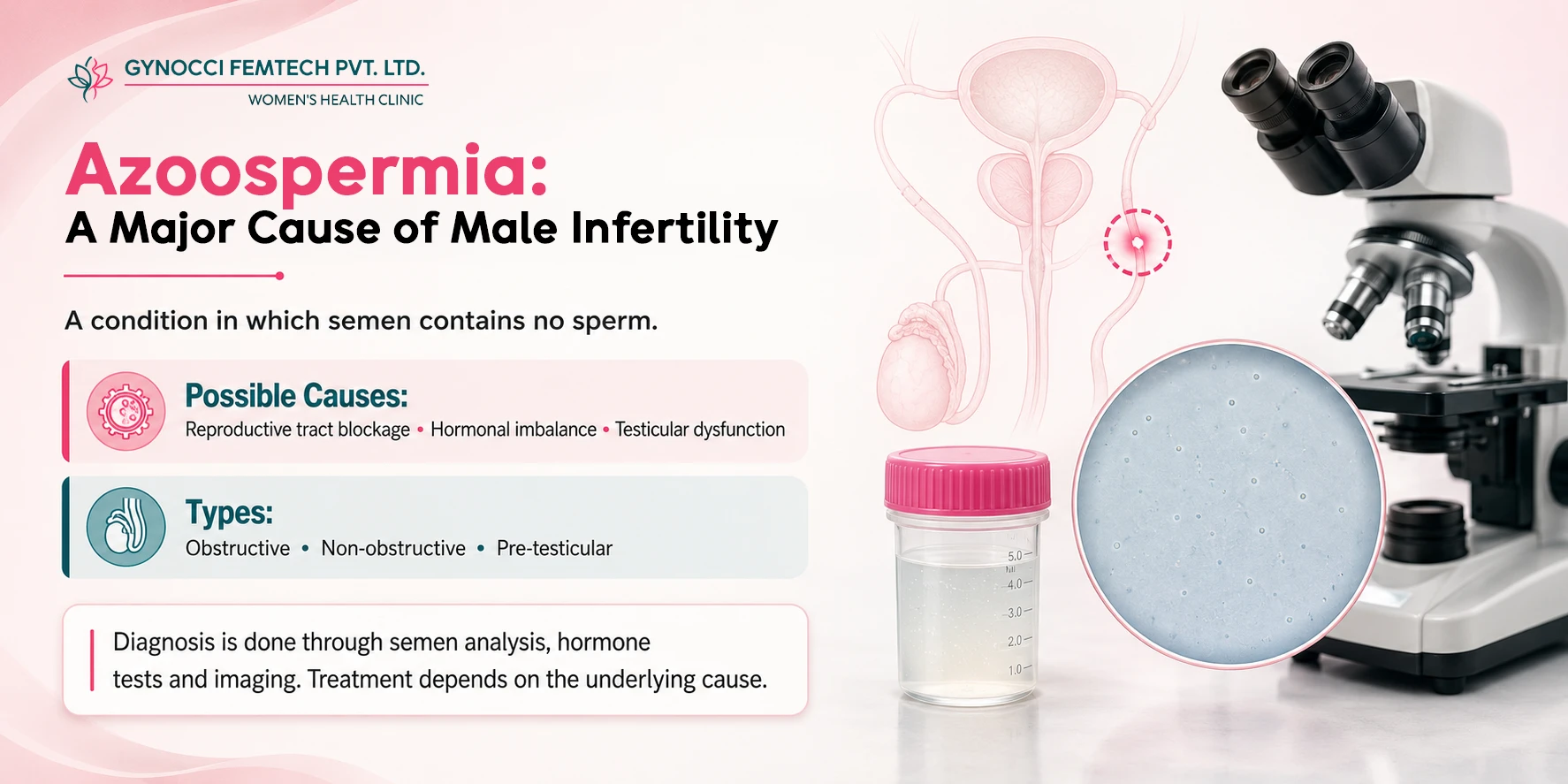
Diagnosis of azoospermia
As azoospermia is caused due to infections, injury, inflammation, retrograde ejaculation, surgeries, cysts or vasectomy, diagnosis involves health care provider asking question about medical history, injuries, family medical history and other symptoms. Other diagnosis includes-
- Blood tests to check for hormone levels
- Genetic testing
- X-ray and ultrasound of scrotum
- Brain MRI (Magnetic resonance imaging) to check pituitary gland and hypothalamus
Treatment of azoospermia
Treatment of azoospermia involves dosha balance and nourishment of reproductive tissue through vajikarna therapy and herbal medications. Treatment involves-
Shodhana chikitsa – according to a study it is considered that it is necessary to purify the body and remove toxins to help the body absorb the medicines.
Deepana and Pachana- In this method, appetizers like Hingvashtak churna and Aampachak vati are used to normalize digestive fire (Agni).
Snehapana- It is an internal oleation with the use of medicated ghee to remove deeply accumulated toxins.
Virechana- It is a therapeutic purgation used to eliminate excess pitta and kapha, improving semen viscosity and liquefaction time.
Basti- It is a medicated enema and intra-urethral therapy that acts on the reproductive tissues and improves sperm viability.
Shamana chikitsa- Shamana includes Vajikarna and Rasayana therapy which includes administration of herbal medicines such as-
Ashwagandha- It is used to reduce oxidative stress and it also acts as an adaptogenic shield and protects developing sperm from cellular damage.
Kapikacchu- It boosts dopamine, optimizes endocrine system signaling and improves spermatogenesis and structure.
Gokshura- It enhances natural testosterone conversion and boosts tissue maturation.
Shatavari- It reduces inflammation and provides nourishment to the reproductive tract.
Shilajit- It helps in reducing cellular oxidative stress in the sperm.
| Treatment | Ayurveda | Modern Medicine |
|---|---|---|
| Medicines | Herbal medicines to support sperm production and reproductive health. | Hormone medicines or antibiotics, depending on the cause. |
| Lifestyle | Diet changes, stress reduction, exercise, and healthy habits. | Healthy lifestyle to improve fertility. |
| Procedures | Panchakarma therapies in selected cases. | Surgery for blockages or varicocele; sperm retrieval if needed. |
| Advanced Options | Can be used as supportive treatment. | IVF/ICSI may be used to achieve pregnancy. |
FAQs
What is the cause of azoospermia?
There are three types of azoospermia and they are caused due to blockage in the reproductive tract, damage or disorder in structure and functioning of the reproductive system or hormonal problems. These causes can be infection, inflammation, genetic factors etc.
Can you have a baby with azoospermia?
Yes, it is possible to conceive with azoospermia by proper diagnosis and cause treatment. Knowing the cause increases the success rate.
What does sperm look like with azoospermia?
In azoospermia the semen will look completely normal and just like a normal ejaculation. It may be less opaque or more transparent due to absence of sperm cells.