Hormones are the chemical messengers in our body that regulate various bodily functions. Hormones are released by glands that come under the endocrine system. Hormonal imbalance is a condition characterized by the presence of too much or too little of one or more hormones. It is very common and affects almost everyone once in their lifetime, be it during puberty, menopause, or pregnancy.
What are hormones?
Hormones are the chemical messengers present in the body that regulate different body functions by sending signals through the bloodstream to different organs, skin, muscles, and tissues. Hormones are very important for healthy bodily functions and life, and they tell the body what to do and when to do something.
There are over 50 hormones identified in our body that are released by glands. These glands or tissues together form the endocrine system. The(these) hormones control Homeostasis, metabolism, mood, sleep cycle, growth, reproduction, and reproductive functions.
What is a hormonal imbalance?
When the amount of one or more hormones increases too much or when it becomes too low. Hormone imbalance can affect bodily functions like metabolism and homeostasis, depending on which hormone is imbalanced. Even a little bit of deviation from the ideal amount of hormones can make big changes in your body.
In Ayurveda, hormonal imbalance is seen as the imbalance in Doshas (Vata, Pitta, Kapha), Agni (digestive fire), and Dhatus (tissues), which is caused by the accumulation of Ama (toxins). Treatment is done through balancing doshas and stress reduction through herbal medication, diet, and lifestyle changes.
Many hormonal imbalances get fixed after a short time, and some of them are severe enough that they need specialized treatment. These treatments ensure the healthy functioning of the body. There are a lot of conditions that can be caused by hormone imbalance, including irregular menstruation, infertility, diabetes, thyroid disorders, weight gain, and acne. These are the most common hormone-related problems.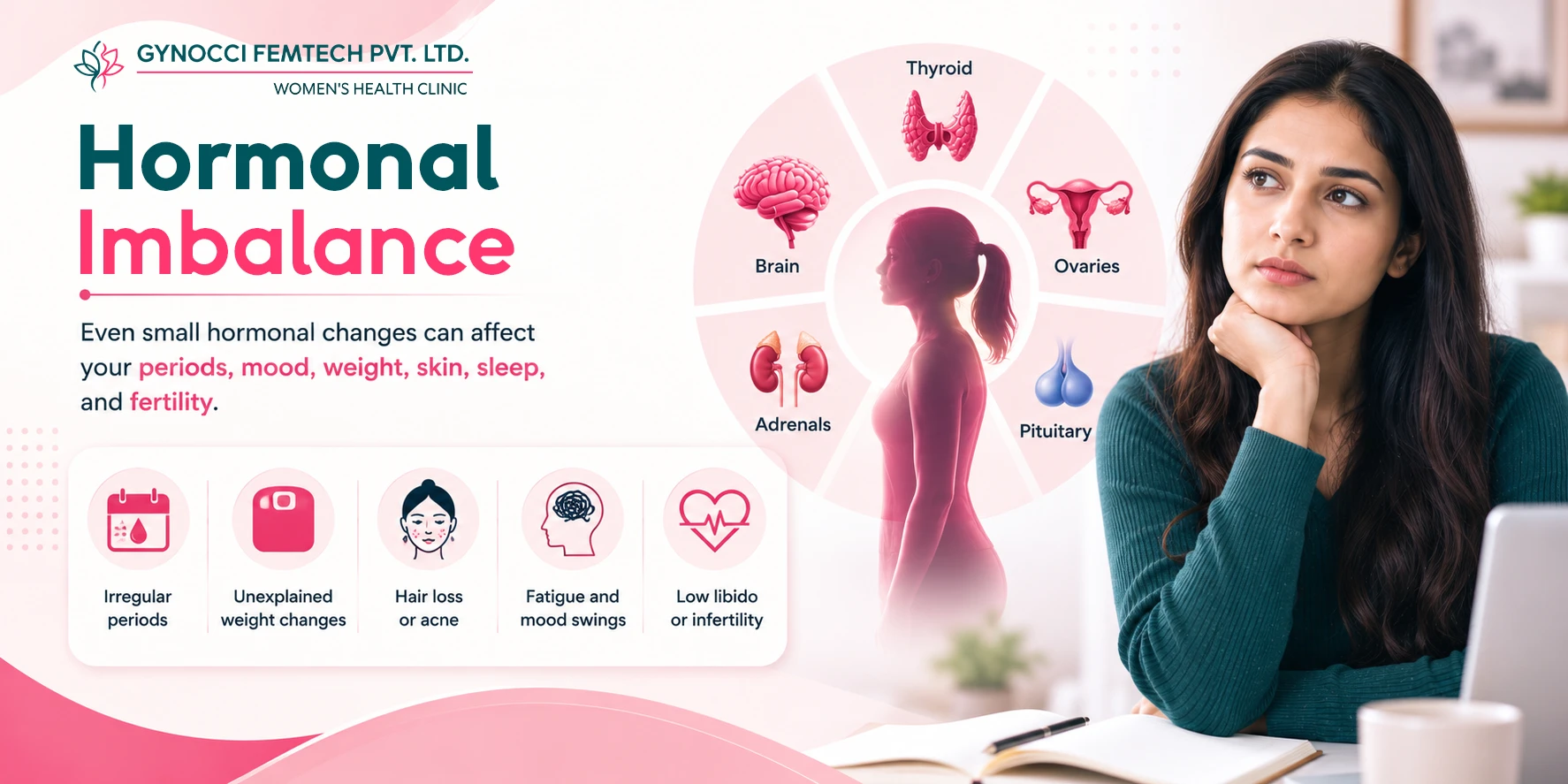
Symptoms of hormonal imbalance
The human body is found to have more than 50 different hormones, and all of them regulate more than one body function. There can be a lot of different symptoms depending on the hormone that is imbalanced. Most hormonal imbalances affect the body’s metabolic processes, such as digestion. Not all the symptoms indicate a hormonal imbalance; some may point towards other conditions.
Sex hormone imbalance symptoms-
Female sex hormones are produced by the ovaries, such as estrogen and progesterone, and they can produce excess testosterone and androgen, which are male hormones. The male testis produces hormones like testosterone, an imbalance of which can cause various symptoms.
In females-
- Irregular periods
- Infertility
- Hair loss
- Excess body hair
- Acne on the face, chest, and back
- Hot flashes
- Vaginal atrophy
- Low libido
- Vaginal dryness
In males-
- Infertility
- Gynecomastia
- Erectile dysfunction
- Muscle loss
- Low libido
- Low body hair
Other symptoms of hormonal imbalance include hyperthyroidism, weight gain or loss, menopause, diarrhea, fatigue, constipation, slow or fast heartbeats, thirst, frequent urination, and dry skin.
Causes of hormonal imbalance
In the human body, hormone levels keep changing throughout the day, and this can be caused by certain natural conditions, which include puberty, pregnancy, and menopause. Other than this, there are certain conditions and diseases that cause hormonal imbalance, such as stress, medications, and the use of steroids, which are the most common causes of hormonal imbalance.
There are some long-term health conditions that also cause hormonal imbalance, like tumors, adenomas, injury to the endocrine glands, and autoimmune disorders caused by medicines or therapies.
Diagnosis of hormonal imbalance
Health care providers perform a physical exam and ask questions about your symptoms and medical history. As the endocrine glands release hormones directly into the blood, doctors ask for blood tests, and as the hormone levels keep rising and falling throughout the day, doctors may ask for other tests, like a glucose tolerance test or an insulin tolerance test, which help measure the hormone levels.
Ayurveda diagnosis methods are used to check the imbalance in Doshas, Agni, and Dhatus. The method includes trividha, ashtavidha, and dashvidha examinations. These methods focus on the root causes, symptoms, and lifestyle.
Treatment of hormonal imbalance
In Ayurveda
Ayurveda focuses on the root causes and treats by balancing the three doshas, Agni, and dhatus by removing Ama through various ayurvedic therapies, herbal medicines, and diet and lifestyle changes. The treatment includes-
Panchkarma therapies-
Panchkarma includes therapies like Virechana, which is the removal of waste from the body, Shirodhara, in which warm oil is poured onto the forehead to calm the mind and the pituitary gland, Basti, a type of medicated enema used to detoxify and balance Vata dosha, and Abhyanga, which is a full-body massage that helps reduce stress and improve circulation.
Herbal medication-
The key Ayurvedic herbs which help balance hormones are- Ashwagandha which is a natural non toxic herb that reduces stress hormone cortisol, Shatavari which supports reproductive health, regulate levels of estrogen hormone and helps improve fertility, Guduchi which improves the immune system and detoxifies hormones, Manjistha which purifies blood and helps in managing the symptoms of PCOS, Kanchanara which is used to reduce thyroid related issues and Triphala which helps strengthen the digestive system to improve nutrient absorption.
Diet and lifestyle changes-
Eating whole grains, fresh, warm food, and avoiding processed foods, high fats, and refined sugar helps manage hormonal imbalance. Spices like turmeric, cumin, coriander, and fenugreek help improve digestion and balance hormones. Daily light exercise, yoga, and pranayama help stabilize stress levels. Plenty of sleep daily maintains the hormonal rhythm of your body.
All the therapies and medications are available at Gynocci. If you feel like your hormones are imbalanced or if you are having symptoms similar to a hormonal imbalance, feel free to consult the best doctors at Gynocci and get personalized treatment and support.
Treatment in modern medicine
Treatment in modern medicine or allopathy includes
Hormone replacement therapy
- If you have lower-than-normal hormone levels, then healthcare providers suggest oral medication or injections, depending on which hormone has lower levels.
- High hormone levels are treated with surgery, radiation therapy, medication, or a combination of these, depending upon the hormone.
Lifestyle and diet changes-
Along with these treatment options, doctors may recommend lifestyle and diet changes.
FAQs
What are the common signs of hormonal imbalance?
In females, the common symptoms include hot flashes, infertility, irregular periods, weight gain or loss, hair loss or excessive hair growth, and vaginal dryness. In males, symptoms like gynecomastia, low libido, hair loss, erectile dysfunction, and loss of muscle mass are common.
What causes a hormonal imbalance?
Conditions like stress, PCOS, thyroid disorders, menopause, puberty, pregnancy, and diet can cause hormonal imbalance.
Can hormonal imbalances be cured?
Many conditions of hormonal imbalance can be cured by fixing diet and lifestyle; others may need medication, therapies, and specialized treatment like hormone replacement therapy, birth control pills, and thyroid treatment