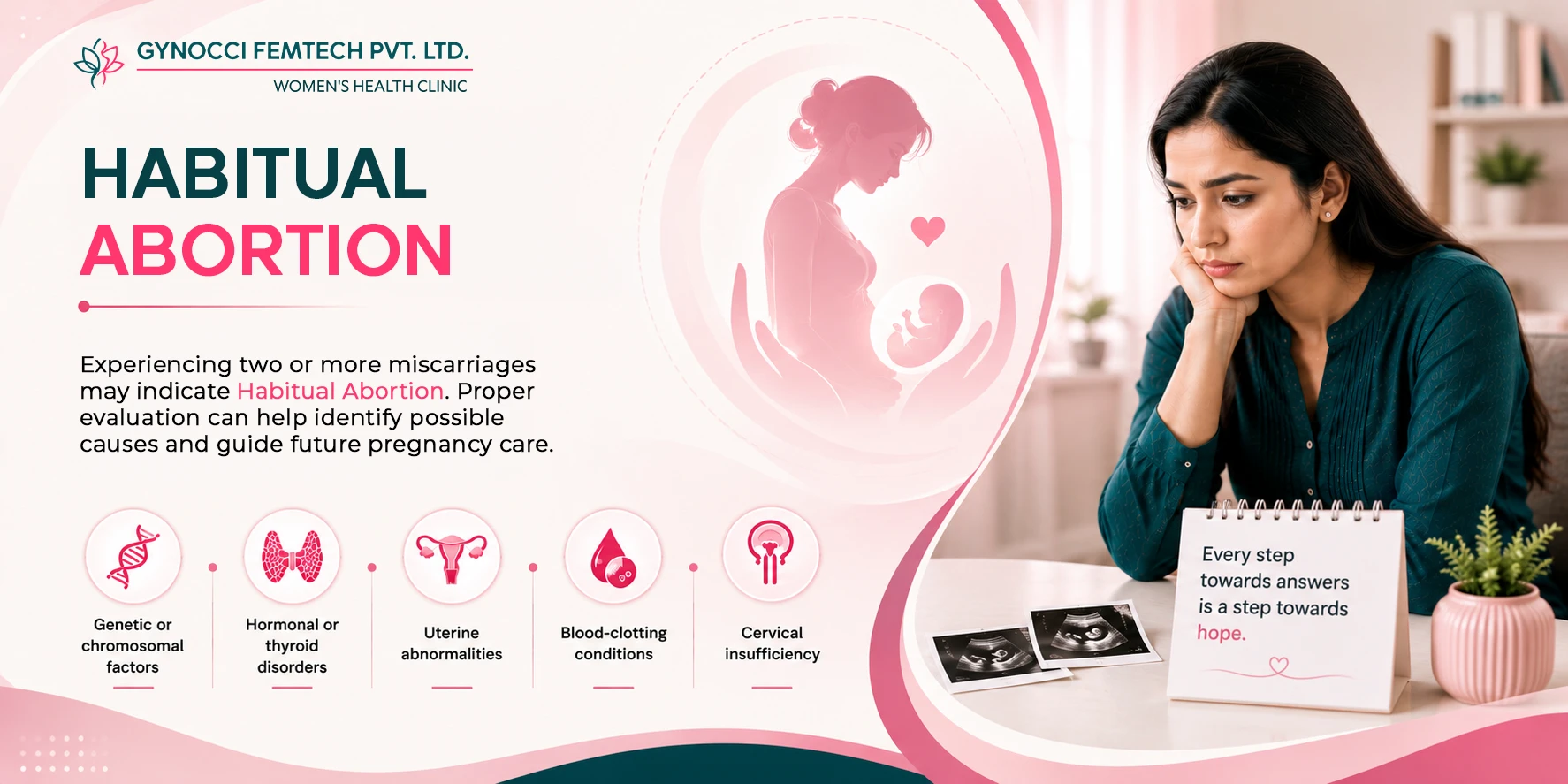
Habitual abortion, also known as recurrent pregnancy loss (RPL), is a condition where a woman faces two or more, sometimes three or more consecutive miscarriages. This condition affects only 1% couples and 0.5% to 1% pregnancies.
What is habitual abortion?
In Ayurveda, recurrent pregnancy loss is associated with Putraghni (habitual abortion), Vamini (profluvium seminis), Asrija (gestational bleeding), and Yonivyapad (disease related to the vagina). All these conditions can lead to repeated pregnancy loss.
Habitual abortion is a condition where a woman experiences two or more miscarriages, or more than three miscarriages consecutively. It is also known as recurrent pregnancy loss. Most of the miscarriages happen between 20 and 24 weeks of pregnancy. The most common cause of miscarriage is abnormal development of the egg after fertilization.
Miscarriages are quite common, and about 10%- 20% of pregnancies end in miscarriage. But only 0.5%-1% pregnancies end up due to recurrent miscarriages. In this, about 80% miscarriages occur in the first 12 weeks of pregnancy, and only 1%-2% pregnancies face miscarriage after 19 weeks.
Types of Habitual abortion
- Primary- In this condition, a woman who has never given birth to a living baby experiences recurrent miscarriages.
- Secondary- In this condition, a woman who has given birth to a baby previously experiences recurrent pregnancies.
Causes of Habitual abortion
Recurrent miscarriages can happen due to a lot of reasons; sometimes they have no known cause, but they are not due to something a woman does. Most of the miscarriages are due to abnormalities in the fertilized egg. It is not due to exercise, stress, or sexual intercourse. About half of the recurrent miscarriages have no known cause. The causes include-
- An abnormal number of chromosomes in the embryo
- Blood clots in the uterus
- Fibroids, polyps, and uterine septum-like conditions can cause miscarriages.
- Polycystic ovary syndrome (PCOS) (renamed to PMOS)
- Incompetent cervix, also known as cervical insufficiency, is a condition in which the cervix becomes weak and dilates earlier than it is supposed to, leading to preterm birth or miscarriage. Genetic abnormalities
- Scar tissues in the uterus, which are a result of previous surgery
- Health conditions like thyroid disease, high blood pressure
- Infections of the reproductive tract and uterus, including sexually transmitted infections (STIs)
In Ayurveda, the main reasons behind miscarriage are an imbalance in doshas. Vata dosha, which is responsible for movement and reproductive functions, is in imbalance, which leads to irregular menstrual flow, low blood flow to the reproductive organs, and poor uterine health. The kapha dosha is responsible for growth and nourishment, and an imbalance of kapha dosha causes excessive weight gain and poor nourishment, which leads to recurrent miscarriages. The vata dosha is also responsible for growth and nourishment, and an imbalance of which causes an imbalance of hormones and weakens the immune system, which can cause repeated pregnancy loss.
Symptoms of habitual abortion
When a woman experiences two or more miscarriages in a row, it is a sign of recurrent miscarriage. Other symptoms of miscarriage may include-
- Dilated cervix
- The movement of the fetus is less.
- Abdominal cramps that are more intense than normal menstrual cramps
- Vaginal bleeding, pelvic pain, and abdominal cramps
- A fluid-filled sac released from the vagina, with grey tissues, along with blood clots
- The feeling of being pregnant is gone, the feeling of nausea and vomiting is no longer there, the tenderness of the breast is not there, and you do not urinate frequently.
Different people experience different symptoms, and some people may not feel anything at all. People with no signs of miscarriage can have a miscarriage, and people with signs of miscarriage may never experience a miscarriage.
Diagnosis
Before doing any tests, the doctors will ask about the symptoms and past miscarriages. They can perform a physical exam to check for cervical dilation, which is a sign of miscarriage. Other tests include-
- Biopsy of the uterine lining
- Different chromosomal tests to check for any genetic defects
- Pelvic ultrasound to check for the uterus structure or any problems associated with it.
- Determination of hormone levels to check for a sudden drop or hike in the levels of HCG, also known as the pregnancy hormone.
- Taking a blood test to check autoimmune disorders like lupus or APS, which can lead to miscarriage.
- Checking if the fetal heart is working or not.
Treatment of Habitual abortion In Ayurveda
Treatment of habitual abortion in Ayurveda focuses on a holistic approach by detoxification, balancing doshas, improving diet and lifestyle, and strengthening the reproductive system. The goal is to treat the root cause rather than treating only symptoms. The treatment includes-
- Panchkarma therapy- It includes detoxification and elimination of toxins from the reproductive organs to balance the doshas. The panchkarma therapies include Abhyanga (oil massage), Basti (enema), Swedana (stem therapy), and Shirodhara (oil drip therapy), which help balance the doshas, release stress, improve blood flow throughout the reproductive system and the entire body, and provide overall relaxation.
- Herbal remedies- Herbal remedies include Ashwagandha, shatvari, lodhra, guduchi, aloevera and turmeric which help improve uterine health, nourishes the reproductive system, manages menstrual flow, strengthens the reproductive system, reduce inflammation and infections.
- Diet – Eating warm and freshly cooked foods, increasing protein intake, healthy fat, and drinking herbal teas helps balance doshas, detoxify the body, reduce inflammation, and provide energy and nourishment.
- Regular yoga and certain helps reduce stress, increase circulation and strengthen the reproductive system.
At Gynocci, we provide personalized consultation, treatment, and diet plan treat any disease. With the help of experts (BAMS and MD Ayurveda), we treat recurrent miscarriages, infertility, and menstrual health problems.
FAQs
What are the symptoms of habitual abortion?
The symptoms of habitual abortion are-
- Heavy bleeding from the vagina or light bleeding called spotting, sometimes pain
- Pain in the pelvic area
- A whitish fluid or fluid sac passing from the vagina
- Heart beat is fast
How do you treat habitual misc arriage?
Ayurveda has a holistic approach to the treatment of this disease and can be treated with panchkarma therapies, herbal medication, yoga, exercise, and diet and lifestyle changes.
What are the side effects of abortion?
Side effects of abortion include infections and poor uterine health, which can lead to infertility and risks associated with future pregnancies.