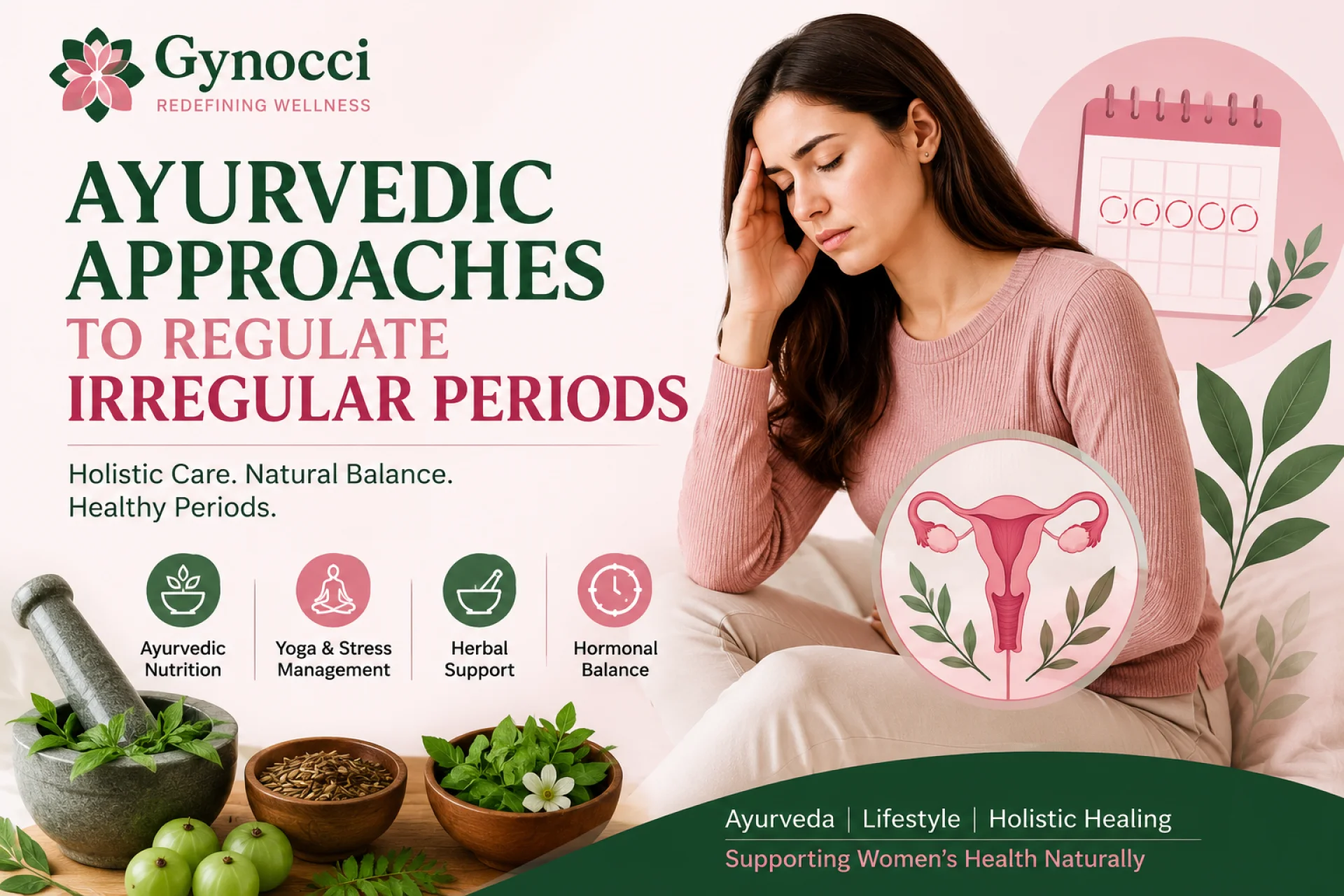
Irregular periods are marked by a menstrual cycle that does not follow a predictable pattern. Irregular periods have become very common and can affect women of all reproductive age. It is very frequent in teens during the first few years after the onset of menstruation, it is extremely common in women who are going through perimenopause and it can be seen in a lot of women at different points of life due to stress, weight changes, or underlying medical conditions like PCOS/PMOS.
So, how do you know if you have irregular periods? Irregular periods are when you have cycles that are shorter than 21 days or longer than 35 days or you have missed three or more periods in a row or bleeding during the periods is much heavier or lighter than normal.
What are the different types of irregular periods?
Irregular periods are mainly of three types-
- Oligomenorrhea- It is a condition in which a woman experiences infrequent menstrual cycles. In this condition there is a gap of more than 35 days between two cycles. According to Ayurveda it is known as Artava kshaya, which used to describe scanty, painful and delayed menstrual cycles. It is categorized in Artava vyapad (menstrual disorders) and is mainly caused by the imbalance in Vata and Kapha dosha.
- Menorrhagia- It is a condition in which women during menstruation bleed more than usual. It is known as heavy menstrual bleeding. Other characters of Menorrhagia include longer periods and bleeding abnormally and irregularly. In ayurveda it is known as Asrigdara or Raktapradara which means heavy bleeding and prolonged menstruation.
- Amenorrhea- Amenorrhea is the absence of the menstrual cycle. Amenorrhea is divided into two types- Primary (when menstruation has not taken place in a teen at all) and Secondary (when someone who had menstrual cycles in the past but now not it has stopped for three or more than three months).
What is the Ayurvedic approach to treating irregular periods?
Ayurveda has a holistic approach towards irregular periods and it manages this condition with the help of Ayurvedic herbs and herbal formulation, therapies and diet and lifestyle changes. Ayurveda tries to find out the root cause first and then focuses on treating the root cause and tries to maintain a balance between the body and the mind. It includes-
What are the most effective Ayurvedic herbs and remedies?
Aloe Vera: The fresh pulp of the aloe vera plant with a pinch of black pepper can be consumed regularly as a natural remedy for maintaining regular ovulation as well as PCOD.
- Phala Ghrita: This is an oil-based herbal medicine used in Ayurveda which helps in treating many reproductive problems and irregular periods.
- Cinnamon and Turmeric: Both of them are warm spices and help in improving pelvic circulation and relieving cramps when taken with warm milk.
- Cumin Water: Ingestion of water obtained after soaking cumin seeds overnight in an empty stomach in the morning helps in stimulating flow.
- Unripe Papaya: The consumption of papaya juice, except on the days of menses, helps in contracting uterine muscle fibers to cause delayed flow.
What diet and lifestyle changes are necessary to regulate a menstrual cycle?
- Nourishing Diet: Eat fresh and warm foods that are easy to digest and consist of fiber-rich vegetables and seasonal fruits.
- Avoid Junk Food: Avoid cold beverages and junk food as these are responsible for aggravating metabolic disorders.
- Promote Stress-Free Lifestyle: Constant stress disrupts the functioning of hypothalamic-pituitary-ovarian axis, and hence yoga and breathing exercises should be performed everyday.
- Yoga Asanas: Exercises like child pose, butterfly pose, and cobra pose help in promoting pelvic blood flow and balancing inner energies.
When to see a doctor?
See your doctor if you have consistently short menstrual periods (less than 21 days) or long menstrual periods (more than 35 days), have skipped more than three periods consecutively, or have had periods that involve severe pain, heavy bleeding, or bleeding in-between periods.
- Cycle Length Problems: Consistently too short or too long
- Missed periods: No periods in the last three months or more when you are not pregnant
- Heavy bleeding: Wearing through a pad or tampon every hour for two to three hours, passing clots larger than a quarter
- Prolonged bleeding: Period lasting more than seven days
- Unexpected changes: Menstruation used to be consistent but has become irregular
Other Menstrual Symptoms
- Spotting or bleeding in-between periods or after intercourse.
- Any vaginal bleeding after going through menopause.
- Severe pain, cramping, or nausea and vomiting that interfere with your daily activities.
- Hormonal imbalance symptoms such as unexplained weight gain or loss, hair loss, and excess hair growth
- Trouble conceiving
These symptoms are the signs to see a healthcare professional. There are plenty of Ayurvedic healthcare experts at Gynocci.
Why choose Gynocci
Gynocci has one of the best panels of experts who provide personalized consultation, treatment and care to every patient. The natural herbs and care methods ensure no side effects. So if you feel menstrual health issues and have any symptoms that point towards it you should get yourself checked.