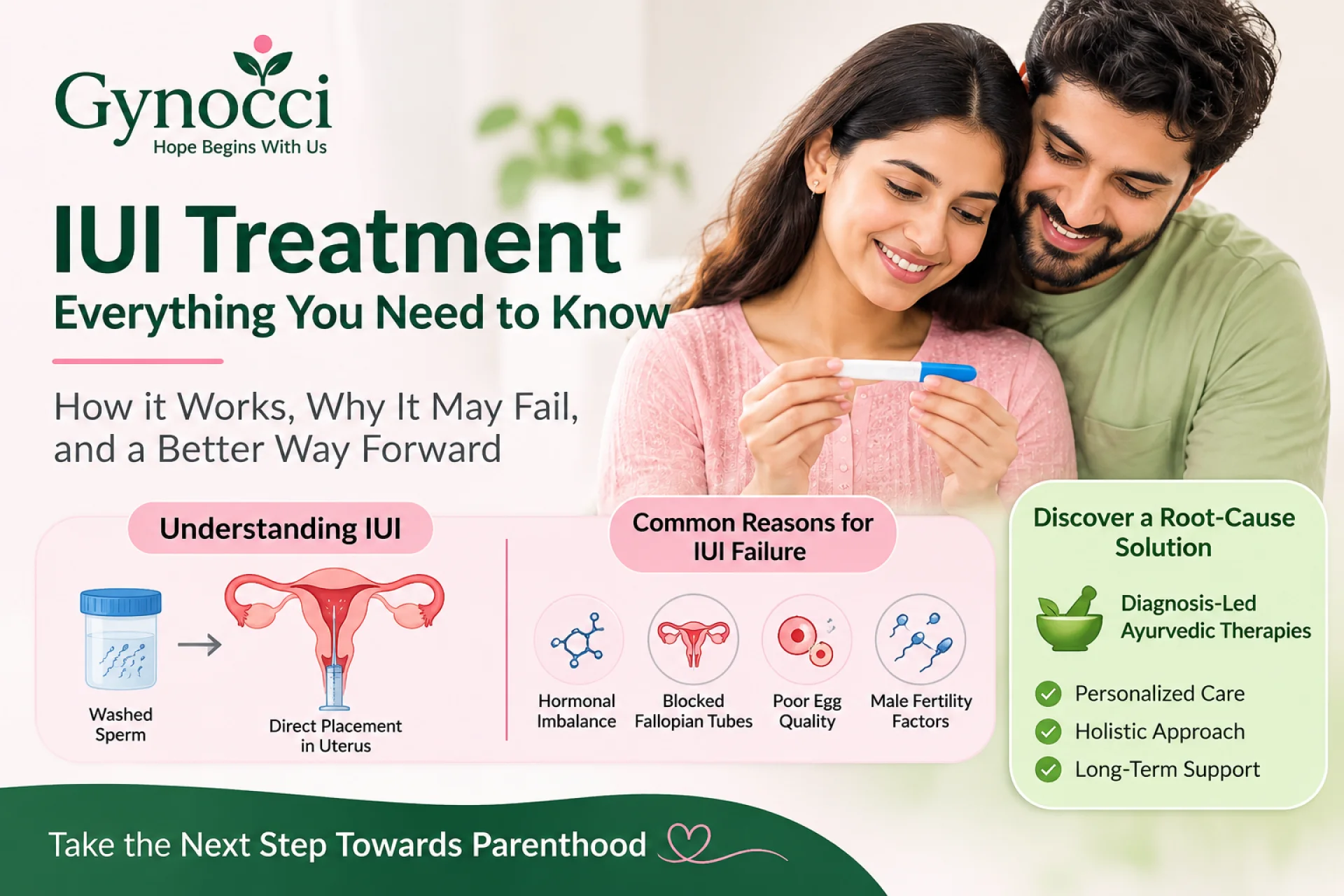
Intrauterine Insemination (IUI) is an assisted reproductive technology (ART) in which sperm is directly placed into the uterus to facilitate fertilization. This treatment method is in demand nowadays due to its low risks, affordability, and convenience. It is used by couples facing infertility and also couples of the same gender. IUI can be highly effective, but several factors affect its results, leading to failure.
How does IUI work?
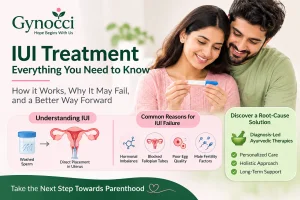
Intrauterine Insemination is a fertility treatment in which concentrated and cleaned sperm is placed directly into the uterus during the time of ovulation. During a natural pregnancy, sperm travel from the vagina and go through the cervix, and then reach the uterus before going into the fallopian tube.
In this process, a catheter is used to place the sperm into the uterus. The sperm is now closer to the fallopian tube, which makes it easier for it to reach an egg and fertilize it. This procedure increases the chances of pregnancy.
IUI includes three main steps: -
- Ovulation testing: Fertility experts will need to know when ovulation is going to happen so that they can put the sperm into the uterus at the right time. For this, ovulation kits can be used to determine the time of ovulation.
- Sperm preparation: The male partner provides a sperm sample on the day of the procedure. Sperm is prepared through a procedure called “sperm washing”, which pulls a concentrated amount of healthy sperm.
- Insemination: It is a small procedure that takes just a few minutes. In this process, the doctor puts a catheter through the cervix into the uterus, then injects the sperm into the uterus. You can then check your pregnancy after two weeks of the procedure.
Common reasons IUI fails
Intrauterine insemination (IUI) can fail due to several factors, including age, egg and sperm quality, lifestyle factors, etc. The following are the factors responsible: -
- Age: With increasing age of the female, fertility and egg quality significantly decrease, primarily after 35. When eggs get older, the chances of chromosomal abnormalities increase.
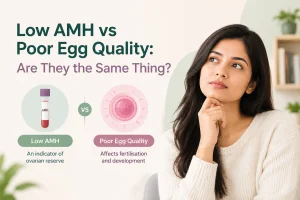
- Ovarian reserve: A poor ovarian reserve decreases the chances of producing and releasing healthy and fertilizable eggs.
- Sperm quality: In the process of IUI, healthy sperm are required to have good motility and count. Low sperm count, reduced motility, abnormal shape and size, or high DNA fragmentation can cause IUI failures.
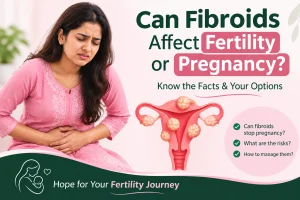
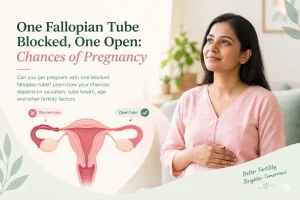
- Medical problems: Medical problems like ovulation problems, endometriosis, polyps, fibroids, tubal blockage, hormonal imbalance, or chronic inflammation can hinder implantation and cause IUI failure.
- Lifestyle factors: Smoking, excessive alcohol or caffeine, obesity, and chronic stress hurt reproductive health and fertility.
Along with these factors, some unexplained factors can also cause failed IUI, even if all the tests are normal.
Chances of natural pregnancy after IUI failure
When an IUI procedure fails, many people think, “Can I still conceive naturally?” But there have been many cases where couples conceive naturally even after one or two failed Intrauterine insemination procedures. The chances of natural pregnancy mainly depend on the age, egg and sperm quality, and overall reproductive health of both partners.
For women who are under 35, who have gone through IUI in the past month or earlier, have a fertility rate of 15% to 20% with no fertility issues. The treatments during IUI procedures somewhat improve the fertility rate for a short time period. For a natural pregnancy, one should monitor ovulation, manage stress, and maintain a healthy lifestyle.
Ayurveda’s view on IUI
Intrauterine insemination is a modern medical procedure, and traditional Ayurveda does not mention it anywhere. Ayurveda treats infertility through natural methods using herbs and therapies, and it is focused on achieving natural pregnancy by balancing doshas and the four pillars of reproduction: Ritu (fertile window), Kshetram (healthy uterus), Ambu (nourishing fluids), and Beeja (healthy sperm and egg).
Some hospitals use traditional Ayurvedic therapies alongside IUI and IVF to treat root causes and purify the reproductive system; only then do they start the procedure.
Procedures like IUI and IVF depend on hormonal medications to stimulate the ovaries. These hormonal medications have several side effects like mood swings, bloating, and lower abdominal discomfort. In some cases, these medications can cause severe medical conditions such as Ovarian Hyperstimulation Syndrome (OHSS). Ayurveda depends on plant-based medicines and oils, which have a very low chance of side effects or conditions like OHSS.
During the IUI procedure, ovarian stimulation causes multiple eggs to mature at the same time; this increases the chance of multiple pregnancies. Multiple pregnancies have high medical risks for both the mother and the child.
Ayurveda focuses on natural ovulation and does not hyper stimulate the ovaries, so there is no chance of multiple pregnancies.
In IUI procedures, there are strict timelines, frequent transvaginal imaging tests, blood tests, and other invasive procedures, which can cause emotional stress, while Ayurveda integrates lifestyle changes, diet changes, stress-reducing practices like meditation and Yoga, which support the patient's mental and emotional well-being.
IUI is much cheaper than IVF, but it still costs a lot. Each treatment carries a success rate of 10% to 20%, so couples try more than once. Many fertility experts recommend stopping after 3 to 4 failed attempts, which brings couples back to the starting point of their fertility journey. Whereas Ayurveda offers a much more effective cost for long-term treatment.
Alternative for Intrauterine insemination
In Ayurveda, the alternative treatments for intrauterine insemination are Panchakarma therapy and Vajikarana therapy. Ayurveda focuses on treating the root cause of infertility rather than trying to find a shortcut for pregnancy. Ayurvedic treatments cleanse the body, balance the bodily energies (the three doshas), and optimize the Shukra dhatu to help in natural conception.
Panchakarma therapy:
It is the detoxification of the body with the help of Vamana, which is therapeutic emesis; it eliminates excess Kapha dosha with the help of herbs like Madanaphala, Saindhava lavana, etc., and Virechana, which is therapeutic purgation; it eliminates excess Pitta dosha with the help of mild laxatives depending on the persons parakriti.
Vajikarna therapy:
It is also called aphrodisiac therapy, which helps improve egg and sperm quality with the help of natural herbs such as:
- For female fertility: Herbs like Shatavari, Ashoka, and Lodhra are common herbs used to improve follicular growth and egg quality, regulate menstrual cycles, and strengthen the uterus.
- For male fertility: To improve sperm count, motility, morphology, and quality, herbs like Ashwagandha, Safed musli, and Kapikachhu are used.
These therapies help regulate menstrual cycles, ensure timely and regular ovulation, improve egg and sperm quality, and increase the chances of natural conception. In a study where several patients were given Ayurvedic fertility treatment, and others were given modern or allopathic treatment. Ayurvedic treatment showed significant improvement in the fertility rates and overall reproductive health compared to allopathic and modern treatment methods.
Frequently asked questions
What are the most common reasons for unsuccessful IUI?
IUI can be unsuccessful due to several reasons, including age, egg and sperm quality, medical issues, hormonal issues, and incorrect timing.
Is it common for the first IUI to fail?
Yes, it is quite common for the first IUI to fail because the per-cycle success rate in IUI is only 10% to 20%. Because of the low success rate, around 80% to 90% of IUI treatments fail on the first try.
Why is Ayurveda better than IUI?
IUI is an invasive modern medical procedure that places the sperm directly into the uterus. Ayurveda has a holistic approach and focuses on treating the root cause of infertility rather than taking a shortcut. Ayurveda follows natural herbs and therapies to treat infertility and is cost-effective in comparison to IUI.
Which Ayurvedic fertility treatment is best?
Ayurveda has no single best treatment for infertility as it uses various therapies and herbs to detoxify the body, eliminate toxins, balance the doshas and use various herbs for improving overall reproductive health.