"स्वस्थस्य स्वास्थ्य रक्षणम्, आतुरस्य विकार प्रशमनम्।"
This is an old Sanskrit shloka , which means the primary goal of Ayurveda is to preserve the health of the healthy and relieving the disorders in those who are unwell.
For many women, the dream of motherhood is delayed not because it is impossible, but because the body needs the right support.
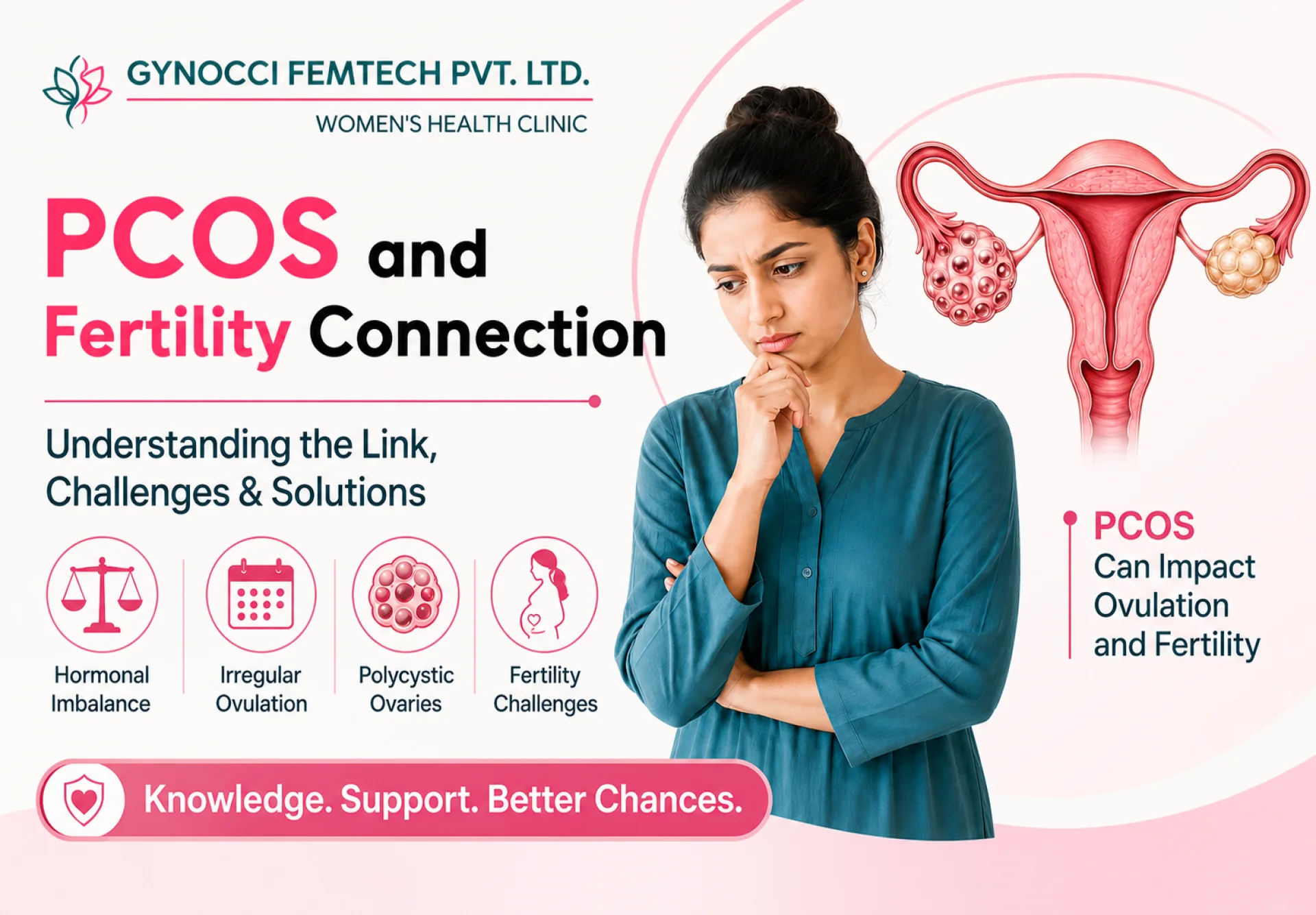
One of the primary reasons behind the inability to conceive is PCOS, now referred to as Polyendocrine metabolic ovarian syndrome (PMOS). It affects millions of women around the globe and is one of the leading causes of infertility in females.
The positive side is that PMOS does not always mean that there are no chances of pregnancy. With proper diagnosis, personalized treatment, and lifestyle modification a lot of women can restore normal ovulation and conceive naturally with the help of appropriate healthcare.
What is PCOS/PMOS?
Polyendocrine Metabolic Ovarian Syndrome (PMOS) is a hormonal disorder that affects women of all reproductive ages. According to global estimates, around 170 million women in the world live with PMOS, which means 1 in every 10 women is affected during their reproductive phase.
In PMOS, the ovaries produce excess androgens, hormones that are naturally present in women in small amounts but are generally associated with male characteristics. Elevated androgen levels disturb the balance of other reproductive hormones, leading to irregular menstrual cycles, disrupted ovulation, and various metabolic changes.
In some women, immature follicles remain in the ovaries instead of releasing an egg during ovulation. These follicles are not harmful cysts, but they can contribute to hormonal imbalance, missed periods, and many of the symptoms associated with PCOS.
This improved understanding of the condition is one of the reasons why the term PMOS (Polyendocrine Metabolic Ovarian Syndrome) is increasingly being used instead of PCOS.
PCOS/PMOS and Fertility: What Is the Connection?
The main reason PMOS affects fertility is that it hinders ovulation. In a healthy woman, during the menstrual cycle, follicles inside the ovary mature every month. One mature follicle releases an egg into the fallopian tube, where fertilization may occur.
In women with PMOS, this process is often disrupted. Instead of maturing and releasing an egg, the follicles may stop developing and remain inside the ovary. During imaging tests, the accumulated follicles appear like cysts, which is how this disease got its first name, PCOS. However, these are immature follicles rather than true ovarian cysts, which is why the condition is increasingly referred to as PMOS. Absence of regular ovulation decreases the chances of natural conception.
How Does PCOS Affect Fertility?
PCOS affects fertility in several ways, both directly and indirectly.
1. Irregular or Absent Ovulation (Anovulation)
Because of excess androgen production and hormonal imbalance, eggs often fail to mature and release regularly.
This results in:
- Irregular periods
- Infrequent periods
- Missed periods
- Difficulty predicting fertile days
Without ovulation, conception becomes more challenging.
2. Insulin Resistance
Many women with PCOS also develop insulin resistance, in which the body's cells do not respond effectively to insulin, causing insulin levels to remain high. Higher insulin levels stimulate the ovaries to produce even more androgens, creating a cycle that further disrupts ovulation and hormone balance. When combined with excess weight, insulin resistance can make fertility management even more difficult.
3. Egg Quality
Hormonal imbalance inside the ovaries may affect the normal maturation of eggs.
In some women:
- Egg quality may decline.
- The ovarian wall may become less favourable for egg release.
- Irregular menstrual cycles may affect the uterine lining, causing difficulty in implantation
4. Increased Risk of Miscarriage
Women with PMOS who conceive face a higher risk of miscarriage compared to women without PMOS. This increased risk can be caused by factors such as hormonal imbalance, insulin resistance, and reduced egg quality.
Every PCOS Journey Is Different
Every woman experiences PCOS/PMOS in different ways. While some only struggle with irregular periods during this disorder, others may experience:
- Weight gain
- Acne
- Excess facial hair
- Hair fall
- Difficulty conceiving
There are also couples who try to conceive for more than two years without success. Some may even undergo assisted reproductive procedures such as IUI or ICSI without achieving pregnancy.
These experiences highlight why PCOS requires individualized evaluation and treatment, rather than a one-size-fits-all approach.
The Ayurvedic Perspective on PMOS
Unlike modern medicine, Ayurveda does not describe PMOS as a single disease entity. Instead, it correlates the condition with disorders such as:
- Pushpagni Jataharini is associated with obesity and excessive hair growth.
- Artava Kshaya is associated with reduced or disturbed menstrual function.
According to Ayurveda, these conditions arise due to an imbalance of the three Doshas:
- Vata
- Pitta
- Kapha
These imbalances affect the Artavavaha Srotas, the channels responsible for female reproductive health.
Therefore, Ayurvedic management focuses on restoring balance in the doshas, improving digestion (Agni) and metabolism, detoxifying the body where appropriate, and supporting reproductive health through individualized therapies and herbs.
Is Natural Conception Still Possible?
Yes. although PMOS is one of the leading causes of infertility, natural conception is still possible. When ovulation becomes regular and overall reproductive health improves, many women successfully conceive naturally. Women with PMOS also tend to have a higher ovarian reserve, which may support fertility over a longer reproductive period compared with some women without the condition.
Depending on the individual's condition, doctors may recommend lifestyle modifications, Ayurvedic therapies, modern medical treatment, or an integrated approach. The key is identifying the underlying cause and choosing the most appropriate management plan.
Lifestyle Changes That Can Support Fertility
Along with medical care, lifestyle plays an important role in managing PMOS.
Healthy habits include:
- Maintaining a balanced diet
- Managing body weight
- Regular physical activity
- Adequate sleep
- Stress management
- Avoiding processed and high-sugar foods
- Even small, consistent changes can positively influence hormonal balance and reproductive health.
Why Choose Gynocci?
At Gynocci, we believe that successful fertility care begins with understanding the root cause, not just the symptoms.
Our diagnosis-led Ayurvedic approach combines:
- Detailed consultation
- Personalized treatment plans
- Classical Ayurvedic therapies were appropriate
- Herbal formulations
- Diet and lifestyle guidance
Therapies may include Virechana, Basti, and Vamana, depending on an individual's condition and clinical assessment.
Because every woman is different, every treatment plan should be different too.
Conclusion
If you are diagnosed with PCOS/PMOS, it does not mean you can never conceive. Understanding the condition, identifying the root cause, developing healthy lifestyle habits, and seeking timely medical guidance can make a big difference.
At Gynocci, we focus on personalized, diagnosis-led Ayurvedic fertility care designed around your individual needs, because every fertility journey deserves its own path.
Frequently Asked Questions
Does PCOS really affect fertility?
Yes. PCOS is one of the most common causes of female infertility because hormonal imbalance can interfere with ovulation. However, it is a manageable condition, and many women with PCOS conceive successfully with appropriate treatment and lifestyle modifications.
Can women with PCOS get pregnant naturally?
Yes. Although PCOS can make conception more challenging, natural pregnancy is still possible, particularly when ovulation is restored and overall reproductive health improves.
What foods should I avoid if I have PCOS?
To help manage PCOS, it is generally recommended to limit:
- Refined carbohydrates
- Sugary foods and beverages
- Highly processed foods
- Processed meats
- Foods high in trans fats
A balanced diet that supports stable blood sugar and reduces inflammation is often recommended as part of PCOS management.