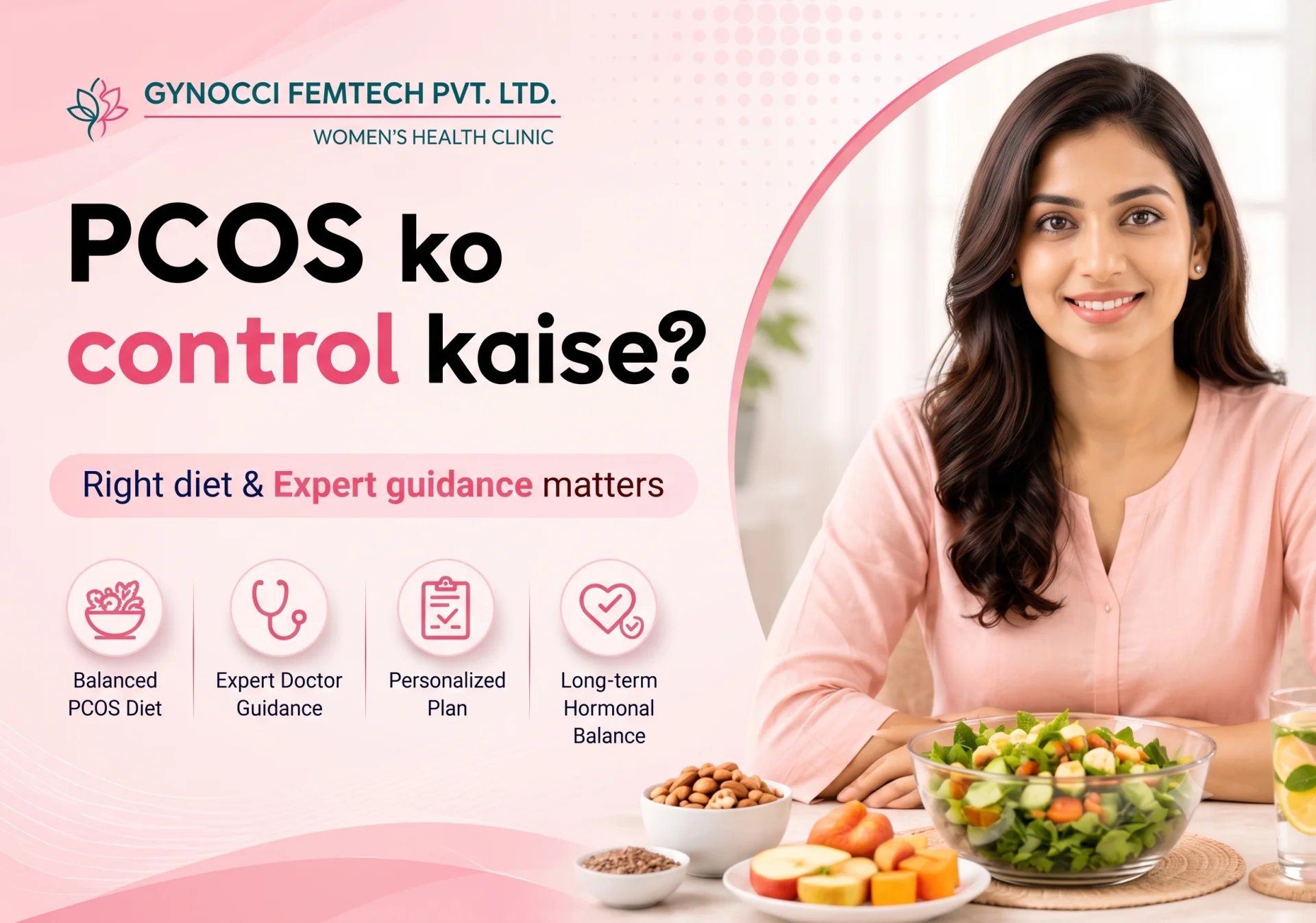
PCOS Diet & Lifestyle Management
About 10% of women in their reproductive age are affected by PCOS (Polycystic Ovary Syndrome). It is a hormonal imbalance condition that often brings confusion and concern after diagnosis. However, one of the most important factors in managing and recovering from PCOS is following the right diet and lifestyle.
What is PCOS?
PCOS (Polycystic Ovary Syndrome) is a condition where the body produces excess male hormones (androgens), leading to irregular periods, ovarian cysts, weight gain, acne, hair fall, inflammation, and unwanted facial hair.
A major cause behind PCOS symptoms is insulin resistance. In this condition, the body does not respond properly to insulin, causing increased blood sugar levels and further hormonal imbalance.
This is why diet plays a crucial role in managing PCOS.
Why is a Specific Diet Important in PCOS?
PCOS is often associated with obesity, insulin resistance, and metabolic syndrome, which can increase the risk of diabetes and heart disease. A proper diet helps regulate weight, balance hormones, and stabilize blood sugar levels.
Since symptoms vary from person to person, individualized diet plans are essential for effective management.
Diet Plan for PCOS
Both Ayurveda and modern medicine emphasize the importance of diet and exercise in PCOS management. Always consult a healthcare expert before following a diet plan. Check out ayurvedic treatment & support for PCOS/PCOD.
Foods to Avoid
- Fried foods like chips, fries, fried chicken, and fish
- Excessive red meat
- Refined flour products (white bread, pasta, pizza, samosas)
- Saturated fats like butter
- Processed snacks (cakes, cookies, chocolates)
- Sugary beverages (soft drinks, juices, energy drinks)
- White rice
- Alcohol
Best Foods for PCOS
A balanced diet focusing on protein and low glycemic foods helps in weight management and hormonal balance.
- Protein-rich foods like dal, sprouts, low-fat milk, eggs, chicken, and fish
- Nuts such as almonds, peanuts, pistachios, and walnuts
- Whole grains like brown rice, whole wheat, and millets
- Fresh vegetables like carrots, beetroot, tomatoes, leafy greens
- Healthy oils like mustard oil, olive oil, and groundnut oil (in moderation)
- Citrus fruits and berries
- Spices like turmeric, ginger, cinnamon, and amla
- Herbal drinks and warm water with lemon or fenugreek
Staying hydrated is essential for better metabolism and hormone balance.
Lifestyle & Exercise
Along with diet, physical activity plays a key role in managing PCOS.
- Walking, running, swimming, cycling
- Regular physical activity improves metabolism and insulin sensitivity
Yoga for PCOS
- Dhanurasana – Supports reproductive health
- Balasana – Relieves stress and relaxes the body
- Padmasana – Helps in hormone balance
- Naukasana – Strengthens core muscles
- Surya Namaskar – Improves circulation and supports weight loss
Regular yoga and exercise improve overall health and speed up recovery.
Conclusion
PCOS is a hormonal disorder that can be effectively managed with the right diet and lifestyle. Avoiding processed and unhealthy foods while including protein-rich, natural, and balanced meals can significantly improve symptoms.
Incorporating exercise, yoga, and Ayurvedic treatment further enhances recovery and overall well-being.
At Gynocci, we provide personalized diet plans and holistic Ayurvedic treatments tailored to individual needs. If you are struggling with PCOS, consult our experts for the right guidance and care.