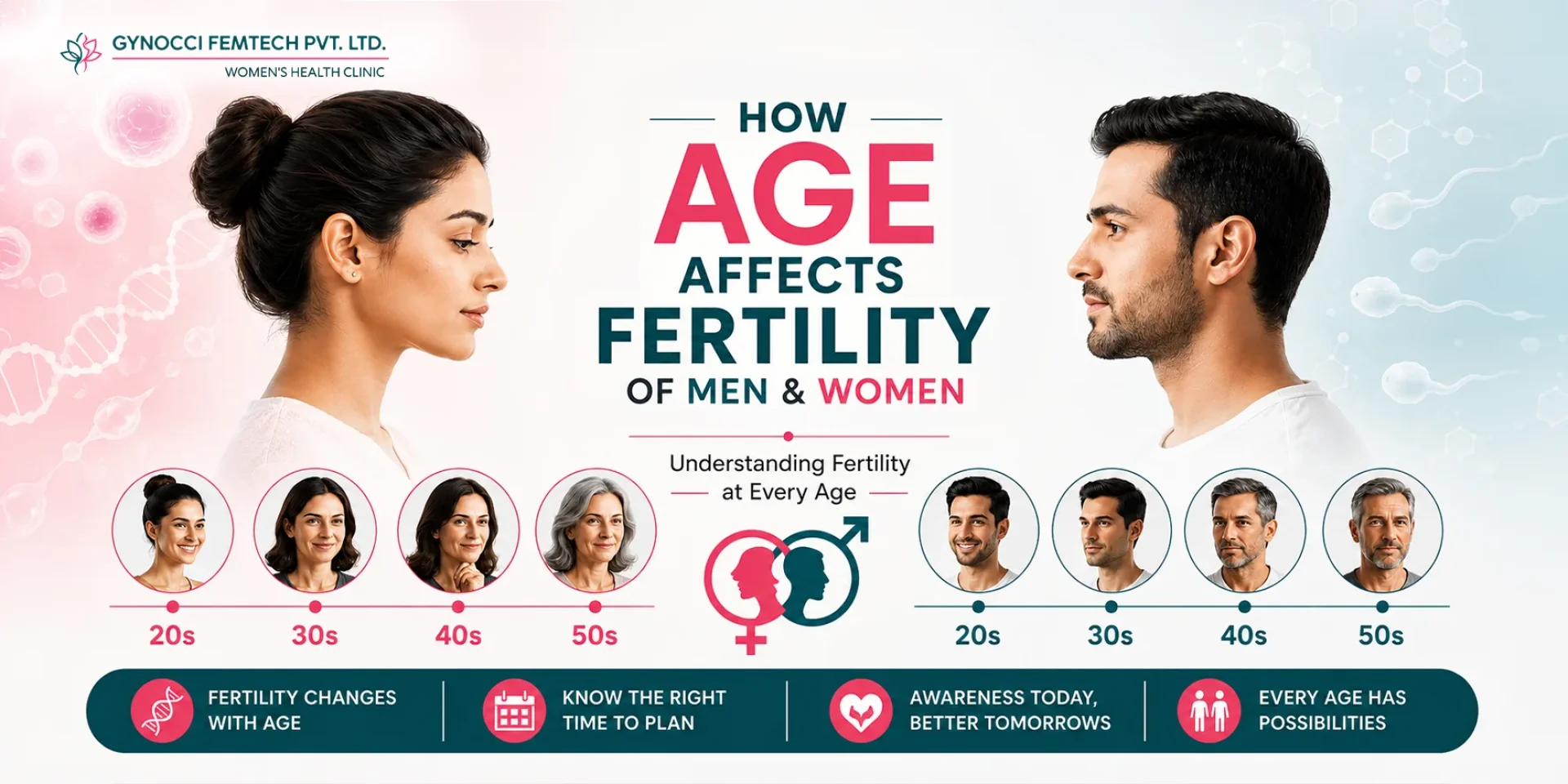
Age affects fertility in both men and women. After a certain age, fertility factors sharply decline for both. The decline in fertility for women occurs earlier than for men, as the quality and quantity of gametes decrease significantly. For men, the quality of sperm and its production decrease with time. In some cases, fertility starts to decline earlier due to lifestyle factors and nutritional problems. Fertility can be prolonged as long as it is naturally possible with some lifestyle changes, treatment, and proper care.
What is fertility?
Fertility is the natural and biological ability of an individual or couple to produce children through sexual intercourse. It is a process that requires the production of healthy sperm and eggs, fertilization, and implantation of the fertilized egg in the uterus. It is denoted by the capability to produce offspring rather than just reproduce. It was believed that only women’s fertility declines due to age, but the same is true for males.
For women, peak fertility is seen in their 20s and before 30. After 30, fertility starts declining, and after 35 years, the decline is sharp. In males, fertility starts declining after the age of 40 to 45 years.
How does age affect fertility?
The biological clock in fertility indicates the age-related decline in the ability to reproduce. For females, the quality and quantity of eggs start to decline in the early 30s, and after 35, fertility declines further, and after the age of 40, the monthly chances of conception drop further. In males, sperm count and quality decline after 40 years of age.
Females are born with a certain number of eggs, which decline with increasing age; this process is known as Atresia. At the age of 37, only 25,000 eggs are left. As the age further declines, the eggs are most likely to have chromosomal aberrations and genetic conditions, which lead to miscarriage. In males, fertility starts to decline after 35, with low sperm motility and volume.
| Age (Y) | Fertility in Males | Fertility in Females |
| In 20s | Peak fertility and Healthy eggs | Healthy sperm production |
| 30-35 | Fertility starts to decline | Very slight changes in sperm quality |
| 35-40 | significant drop in egg quality and quantity | Noticeable changes in sperm motility |
| 40+ | Very low fertility and increased risk of miscarriage | Decline in sperm count and quality |
Factors that affect fertility other than age
Fertility can be affected by many other factors, regardless of the age of the individual. These factors can cause issues like infertility, early menopause, sexual dysfunctions, and other problems.
In females
In females, fertility can be affected by various factors, such as-.
- Tubal disorders- Tubal disorders are a result of previous surgery of the pelvic area, complications of unsafe abortion, or due to PID or untreated sexually transmitted infections (STI’s), which in turn cause blockage of the fallopian tubes.
- Ovarian disorders- This includes Ovarian cyst, Primary ovarian insufficiency (POI), which causes abnormal function of the ovaries, leading to irregular periods and, in turn, Polycystic ovarian syndrome (PCOS), in which there is an excess of androgen (male hormone), which causes hormonal imbalance, irregular periods, and ultimately infertility.
- Uterine disorders- Uterine disorders include inflammatory diseases such as endometriosis, after birth (benign disease) such as fibroids, which are tumour-like outgrowths in the uterine smooth muscles, but they are non-cancerous, and much more.
- Congenital defects in the reproductive system- Such as a septate uterus, in which the uterus is divided into two parts by a fibrous septum, a pinhole cervix or septate, tubal spasm, a hypoplastic uterus or ovaries, etc.
- Endocrine disorders- The endocrine system consists of the pituitary gland and hypothalamus of the brain, and the disorders in these parts, like hypopituitarism and pituitary cancers, can imbalance reproductive hormones, which in turn cause infertility.
- Co-morbidities - Such as Hypothyroidism, hyperprolactinemia , increased insulin levels, hypertension, etc.
According to Ayurveda, female fertility is affected by the imbalance in the three doshas, improper digestion, and poor nutrition. The main factors include the four pillars of conception, namely- Rutu / Ritu (cycle), Kshetra (organs), Ambu (nutrition), and beej (ovum).
Vata imbalance- Vata dosha is responsible for reproductive movements, an imbalance in which causes hormonal imbalance, menstrual irregularities, and defects in the egg.
Pitta imbalance- Pitta dosha imbalance leads to infection and inflammation of the fallopian tubes, which hinders the movement of eggs.
Kapha imbalance- Imbalance in Kapha dosha can cause blockage in the fallopian tubes or conditions like fibroids or cysts.
Weak Agni- Poor digestion can lead to the formation and accumulation of Ama (toxins), which can act as an obstruction in the formation of reproductive tissues.
Lifestyle factors- Factors like anxiety, depression, stress, improper diet, smoking, drinking, and excessive exercise can put strain on your body and hamper the reproductive system.
In males
Male fertility can be affected by various factors and lifestyle habits, such as-.
- Sperm related disorders like low sperm count, abnormal sperm shape, or no sperm in the semen.
- Health conditions like diabetes and autoimmune disorders.
- Fertility can also be affected by infections like sexually transmitted infections (STIs) such as gonorrhea, HIV, epididymitis, and orchitis.
- Genetic disorders like Klinefelter’s syndrome and myotonic dystrophy, in which genetic mutations result in low sperm count or absence of sperm.
- Testicular trauma, which is injury to one or both testicles due to different factors, can cause infertility.
- Inflammation in the veins of the testis, which is known as varicoceles.
- Imbalanced hormones are caused by hormonal disorders that affect the pituitary gland and hypothalamus.
- Surgical removal of the testis or cancer treatments like radiotherapy and chemotherapy.
- Exposure to environmental toxins and radiation.
- Obesity
- Smoking tobacco and consuming alcohol can also cause infertility.
- If you use steroids to build muscle.
- Undescended testicles.
- If the age of the person is above 40 years.
In Ayurveda, the main cause of male infertility is the vitiation of the Shukra dhatu, which is reproductive tissue. The imbalance in different doshas causes 8 types of sperm disorders known as Ashtavidha shukradosha. Disorder due to-
- Vata imbalance- It includes phenila, tanu, and ruksha semen/shukra, meaning frothy, very thin, and dry semen.
- Pitta imbalance- Vivarna and puti semen/shukra., meaning abnormally discoloured and putrid looking semen
- Kapha imbalance- Pichhila semen/shukra, meaning very sticky, thick, viscous semen.
- Mixing with other tissues like blood- Anyadhatusansrishta
- Clotting -Avamadi
Other causes-
- Ksheena Shukra- It is a condition where the quantity and quality of sperm is reduced.
- Klaibya- It refers to erectile dysfunction.
- Beeja dushti- It is a defect in sperm due to a genetic disorder.
Treatment of fertility issues
While modern medicine can cure infertility through different methods, Ayurveda brings in a natural solution for it.
For female
Shodhan Chikitsa
In Panchkarma Ayurveda, our body is detoxified, and it is made to regenerate itself naturally. In panchakarma, the harmony of the body is balanced by five procedures-
- Virechana, which balances pitta, improves liver function and hormones
- Vamana, which balances kapha
- Basti, which regulates vata and supports ovulation and sperm health;
- Nasya, which detoxifies the brain and balances hormones,
- Raktamokshana, which purifies blood.
These treatments support reproductive health along with the overall health of a person.
Shaman Chikitsa
Shaman Chikitsa refers to treatments that balance the Doshas using Ayurvedic herbs, diet, and lifestyle changes without intensive detox procedures. These therapies help improve digestion (Agni), nourish reproductive tissues (Shukra and Artava Dhatu), and restore hormonal balance, supporting natural fertility.
Via Ayurvedic Herbs for Reproductive Health
Use of Ayurvedic herbs is shaman chikitsa, don’t use different headlines for a similar topic
Ayurvedic herbs like
Ashwagandha (Withania somnifera): A renowned Rasayana and Vajikarana herb, Ashwagandha helps reduce stress, strengthen the body, and nourish Shukra Dhatu. It supports healthy sperm production, improves vitality, and helps balance hormones affected by stress.
Shatavari (Asparagus racemosus): Traditionally known as the primary female reproductive tonic, Shatavari nourishes Artava Dhatu, supports hormonal balance, regulates menstrual cycles, and strengthens uterine health. It also supports ovulation and reproductive nourishment.
Gokshura (Tribulus terrestris): Gokshura is widely used in Ayurveda to support male reproductive vitality. It helps strengthen Shukra Dhatu, supports healthy testosterone balance, and promotes reproductive strength while also benefiting urinary and kidney health.
Lodhra (Symplocos racemosa): Lodhra is valued for supporting uterine health and hormonal balance in women. It helps regulate menstrual health, supports the reproductive system, and balances Pitta and Kapha in the female reproductive organs.
These procedures and herbs, along with a healthy diet, can not only balance Garbha sambhav samagri and cure infertility but also improve reproductive health. Ayurveda has proved itself reliable by having literally no side effects for any treatment, unlike modern medicine.
For male
Ayurveda aims to treat male fertility from its root cause and strengthen the sperm quantity and quality. Treatment includes various Panchkarma therapies, herbal medicine, and dietary changes. Treatment is mostly through Vajikaran tantra, which is a branch of Ayurveda that deals with improving reproductive health, fertility, and sperm quality, and Shodhana and Shaman, which detoxify and bring overall balance in the body. The therapies include-
Panchkarma therapies
Uttarbasti- It is a process in which medicated oil or ghee is directly administered into the urethra and bladder to treat the seminal vesicles.
Virechana- It is a process of therapeutic purgation that helps balance the doshas and improve sperm count and sperm motility. It mainly balances the Vata and Pitta doshas and hormones.
Matra basti- It is also a type of medicated enema which helps enhance sperm quality, sperm count, motility, and morphology, and balances the Vata dosha.
Herbal medications-
Ashwagandha- Ashwagandha reduces the level of cortisol and stress and increases sperm count.
Kapikachhu- It helps to boost sperm count, quality, motility, and shape.
Safed musli and Shatavari- It helps in increasing sperm volume and quality.
Shilajit- It helps improve sex drive and reproductive health.
Herbal formulations- It includes the use of Chandraprabhavati, Arogyavardhini vati, and Shilajatu Rasayana to improve reproductive health.
Diet and lifestyle changes
What to eat- Nutrient-rich foods and foods like milk, ghee, nuts like almonds, whole foods, and urad dal.
What to avoid: Processed foods, excessive caffeine, and unsaturated fats.
Yoga and exercise- Yoga poses such as Setubandhasan, Dhanurasan, and Halasana help increase blood circulation in the pelvic area.
| Aspect | Ayurveda Treatment | Modern Medicine Treatment |
|---|---|---|
| Approach | Natural, holistic, root-cause based | Clinical, condition-based |
| Focus | Balance hormones & improve natural fertility | Enable conception through medical methods |
| Core Therapy | Shodhan (detox) + Shaman (balance) | Medications + procedures |
| Detox | Panchkarma (Virechana, Vamana, Basti, Nasya, Raktamokshana) | No detox approach |
| Female Treatment | Hormone balance, ovulation support via herbs & detox | Ovulation drugs, IUI, IVF |
| Male Treatment | Vajikaran + herbs to improve sperm quality | Medication, surgery, sperm retrieval |
| Key Therapies | Uttarbasti, Virechana, Matra Basti | IUI, IVF, ICSI, GIFT, ZIFT |
| Medicines | Herbs (Ashwagandha, Shatavari, Gokshura, Lodhra) | Letrozole, Clomid, Gonadotropins |
| Lifestyle Role | Essential (diet, yoga, routine) | Supportive alongside treatment |
| Surgery | Rarely required | Used for blockages, endometriosis |
| Personalization | Highly personalized | Standard protocols |
| Side Effects | Minimal or none | Possible side effects |
Not every fertility issue is caused by other conditions like disease or infections; some of them are caused by poor lifestyle, including smoking, drinking alcohol, poor nutrition, stress, anxiety, and poor sleep cycle. So maintaining a healthy lifestyle and taking proper care can help prevent the decline of fertility before old age. Doing proper exercise and yoga increases circulation, reduces stress, and maintains overall body health.
FAQs
Does age really affect fertility?
Yes, age does affect fertility in females and males as well. In females, fertility starts to decline after the age of 30, and a sharp decline is seen after 35. After 40 years of age, the chances of conceiving in a monthly cycle are reduced to 5%. In males, after the age of 35, sperm motility is reduced, and after the age of 40-45 years, there is a decrease in the quality and quantity of sperm.
Is 37 too old to get pregnant?
After the age of 35, fertility declines at a faster rate, and around the age of 37, the quality of eggs has reduced a lot. Getting pregnant at this age can result in miscarriage, chromosomal abnormalities, stillbirth, etc.
Can a 65-year-old woman get pregnant naturally?
It is naturally impossible for a woman of age 65 to get pregnant; however, women over 65 are known to conceive through ART methods, mostly IVF.